Uzbekistan Scales Back Nuclear Ties with Russia
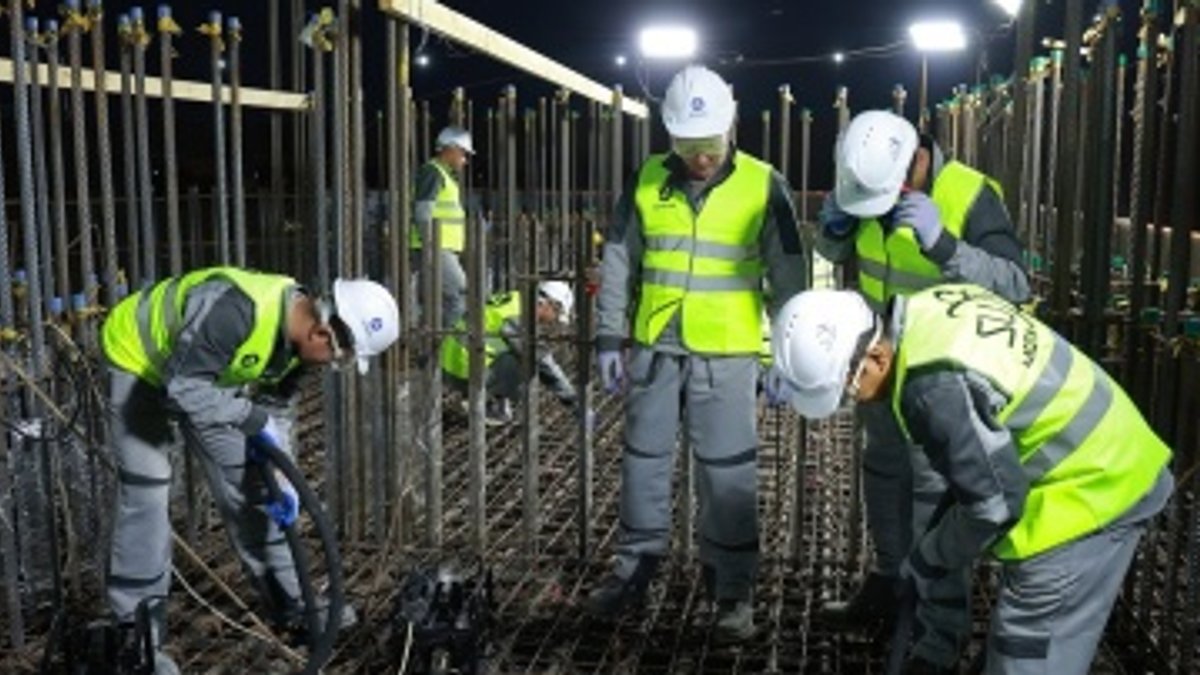
Uzbekistan’s nuclear cooperation with Russia is being scaled back, with President Shavkat Mirziyoyev indicating a shift toward broader international involvement and increased domestic participation.
Inaugural ceremony and early optimism
On June 4, the president and Russian President Vladimir Putin stood beside the inaugural site for the country’s first cluster of reactors, a venture slated to be built by the Russian nuclear firm Rosatom. Putin told the Uzbek leader, “I am confident that you have chosen the best option for Uzbekistan out of all those offered.”
At that moment, the two sides appeared aligned, and the ceremony was presented as a milestone for Central Asian energy diversification.
Shift toward a joint venture
Three months later, a September 2 press release from the president’s office updated the status of the integrated plant without mentioning the Russian firm. The document highlighted a proposal to set up a joint venture with leading international engineering firms to improve project management, strengthen technical oversight, and conduct independent assessments.
The announcement did not specify which companies might join, leaving the future role of the Russian partner uncertain. The omission suggests that confidence in Rosatom’s solo capability has eroded.
Uzbek officials have expressed frustration with the Russian partner since early 2026, when the start of construction—originally planned for March—was postponed. In August, Mirziyoyev announced extensive preparatory work for a second nuclear facility but gave no details on timing, builder, or budget.
Financing and localisation push
The plan envisions two 1‑gigawatt VVER‑1000 reactors and two 55‑megawatt RITM‑200N units, plus housing for up to 33,000 workers and families. The total cost is estimated at $9.5 bn, yet financing sources remain unclear. Russia offered at least one funding scheme that Tashkent reportedly found unattractive.
According to the September update, domestic production currently covers about 21 percent of the effort, roughly $1.9 bn. The president said that figure is insufficient and set a target of at least 30 percent local output, with 65 percent of construction and installation work performed by national enterprises and 7,000 local specialists employed.
Related: Ukraine hits Russian Ozon for first time as Russia strikes Kryvyi Rih
To meet those goals, officials were instructed to draft a plan for a manufacturing complex near the site, capable of supplying building materials and components. This reflects a broader strategy to reduce reliance on foreign suppliers while still seeking external expertise.
The timeline remains fluid.
Strategic perspective
From a strategic viewpoint, the shift illustrates how emerging economies balance the appeal of advanced technology with the desire to retain economic benefits at home. By inviting additional partners, Uzbekistan may secure more favorable financing terms and spread technical risk.
Analysts note that diversifying the supplier base can also cushion the project against geopolitical tensions that have surfaced in recent months.
Broader diplomatic signals
On September 3, the president met with retiring U.S. Senator Steve Daines in Tashkent, just days after a meeting in Bishkek that also involved a Trump‑administration envoy. Details were sparse, but the rapid succession of talks in two capitals hints at serious discussions about alternative nuclear cooperation, possibly involving small modular reactors.
The evolving stance on the Russian firm aligns with reported tension in Uzbek‑Russian relations, and Putin has recently signaled displeasure over other bilateral issues. The Uzbek omission of the Russian partner from the official update points to a mutual strain.
In sum, the country is recalibrating its nuclear agenda, seeking a mix of international engineering input, increased domestic involvement, and new financing pathways while moving away from exclusive dependence on the Russian nuclear sector.

Argentina escalates Falklands row as Trump wavers


