Africa’s capital shortage stems from lack of investable projects
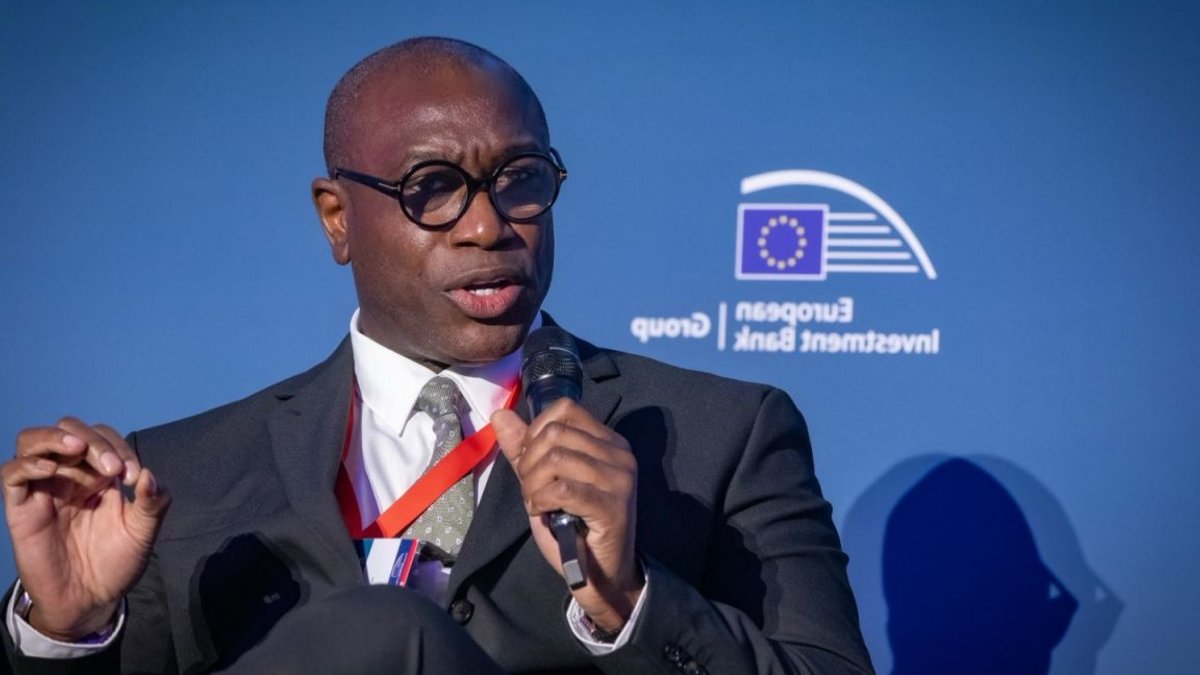
Africa’s industrial growth is held back not by a lack of capital, but by a shortage of investable projects, according to Dr. Hubert Danso, CEO of Africa Investor (Ai) Group. Speaking at the European Investment Bank (EIB) Global Forum in March 2026, Danso noted that while global institutional investors oversee more than $300 trillion, Africa’s development finance system mobilizes only $0.20 to $0.38 of private capital for every public dollar invested—far below the target of $10. The issue, he said, is that capital flows to projects that are structured as investments, not just development needs.
Danso pointed to Europe’s Global Gateway initiative as a model, where public funds leverage up to €15 in private capital for every €1 invested. In contrast, Africa’s systems fail to attract institutional money because they lack the transparency, risk frameworks, and return structures that large investors demand. “Capital does not move because development is persuasive,” Danso said. “It moves when development becomes investable.”
Historical examples show how structured frameworks drive capital. Venture capital ecosystems built by institutions like Yale’s endowment, or infrastructure allocations by Canada’s CPP Investments, prove that large-scale flows depend on bankable assets. Africa’s challenge, Danso argued, is creating similar systems. Without them, even trillions in global capital remain untapped.
To address this, Danso proposed two solutions. First, improving access to Global Emerging Markets (GEMs) risk data would help institutional investors assess opportunities with the rigor required for large portfolios. Second, deeper collaboration between Global Gateway, the EIB, the European Commission, and private investors could design scalable asset classes, such as Institutional Investor–Public Partnerships (IIPPs), that align public and private capital for infrastructure projects.

Africa’s markets poised to attract major institutional investors


