Allies quietly aid US on Iran but avoid public acknowledgment
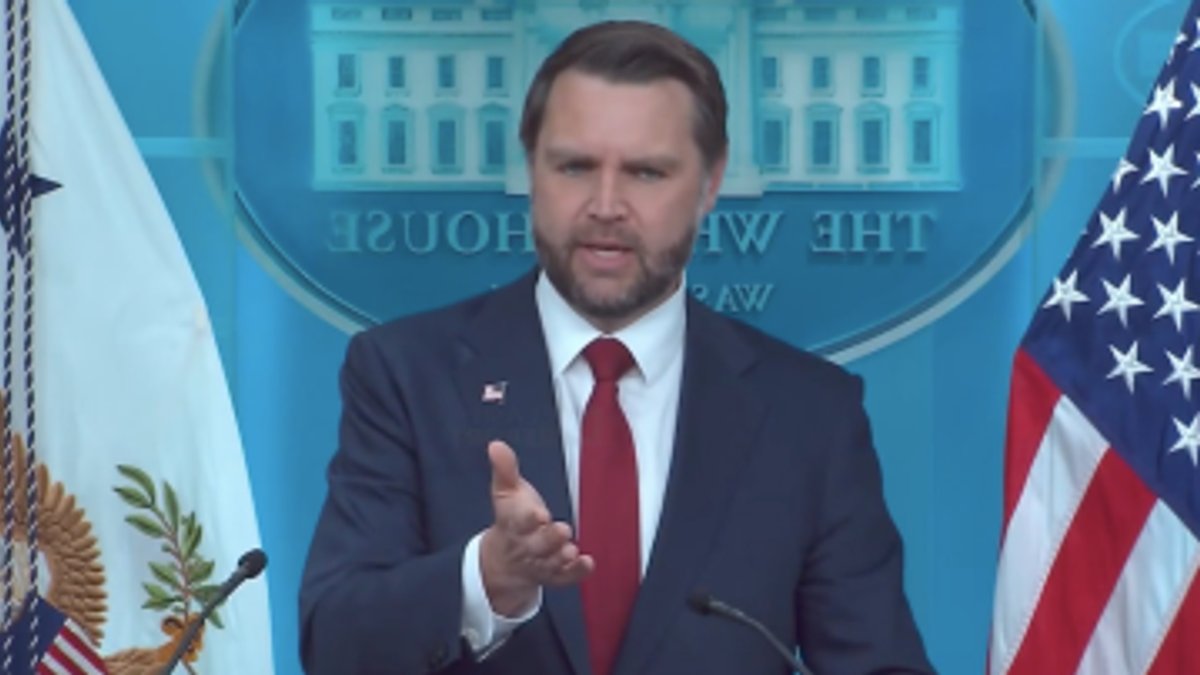
The U.S. government is assembling a group of regional partners to counter Iran’s maritime attacks, though participants avoid open discussion of their participation. Vice President J.D. Vance disclosed this in a September 3 briefing, identifying Turkey, Saudi Arabia, the UAE, and Azerbaijan as nations quietly supporting Washington’s efforts to limit Tehran’s influence. The disclosure followed the August 24 launch of Operation Economic Outcast, a Treasury Department campaign to apply financial restrictions on Iran.
When questioned about international support for the sanctions, Vance highlighted an unexpected shift in China’s stance. Though Beijing often opposes such measures, it has demonstrated greater cooperation than anticipated. Vance stated that China is “not the sort of nation that shoots at commercial shipping because they’re not getting their way in an international dispute.” He stressed that while U.S.-China relations remain tense, Beijing has refrained from supporting Iran’s aggressive actions in the Persian Gulf, including attacks on commercial vessels.
China’s involvement, however, remains partial. Vance clarified that while the country has shown restraint, it has not fully complied with U.S. requests. He said, “They are, in that way, I think, willing to be a little bit more responsible.” The administration’s primary objective remains economic pressure—not only to deter further attacks but also to disrupt Iran’s funding for its nuclear ambitions.
The broader alliance functions discreetly. Vance named Turkey, Azerbaijan, Saudi Arabia, the UAE, and Qatar as central to the effort, describing a global partnership where nations assist the U.S. without formal recognition. The strategy aims to both punish Iran for disrupting trade routes and deprive it of resources critical to its nuclear program.
This secrecy likely stems from cautious diplomacy. Some Gulf states historically maintain delicate balances between Washington and Tehran, while Turkey’s economic ties with Iran could create complications. Vance did not detail specific contributions—whether intelligence sharing, sanctions enforcement, or other actions—but the approach suggests a deliberate, low-visibility campaign.
A Fragile Alliance of Unequal Partners
Such coordination marks a departure from past reliance on unilateral U.S. action. Instead, the current effort depends on a network of allies, each motivated by distinct interests. The difficulty lies in maintaining unity. Past disagreements—such as Turkey’s opposition to sanctions or Saudi Arabia’s shifting alliances—could destabilize the coalition if Iran intensifies its provocations.
For the moment, the U.S. seeks to strengthen pressure without exposing partners to political risks. Vance’s remarks indicate that even without full Chinese support, the campaign against Iran is expanding—though its methods differ from public expectations.
Turkey’s position remains complex. While the country has not openly opposed the sanctions, its economic relationships with Iran create potential friction. Saudi Arabia, too, must weigh its own interests against broader regional stability. The UAE and Qatar, however, have shown more consistent alignment with U.S. goals, though their exact roles in enforcement or intelligence remain unspecified.
Operation Economic Outcast’s success hinges on sustaining this fragile alliance. The Treasury Department has already identified key financial channels to target, focusing on entities linked to Iran’s nuclear and missile programs. Early reports suggest some progress in disrupting these networks, though full effectiveness will depend on sustained cooperation from all involved.
Iran’s response to the sanctions has been defiant. Officials in Tehran have dismissed the measures as ineffective, claiming they will not alter the country’s regional or nuclear policies. However, the quiet backing from regional allies introduces new uncertainties for Iran’s leadership, as traditional evasion tactics may now face coordinated resistance.
The U.S. has also emphasized the need to address Iran’s broader destabilizing activities, including support for proxy groups in Yemen, Syria, and Lebanon. While the current focus is on economic restrictions, administration officials have signaled that military options remain under consideration if diplomatic and financial pressure fails to produce results.
Iran’s Defiance and the Risks of Retaliation
Public statements from Iran have framed the sanctions as an attempt to isolate the country unfairly. A September 5 statement from the Foreign Ministry called the measures “unjust” and warned of retaliation against any nation participating in the campaign. The warning shows the high stakes for regional allies, who must balance their support for U.S. policy with their own security and economic interests.
Analysts suggest that the most vulnerable point in the strategy is its reliance on informal agreements. Without clear commitments, some partners may hesitate to take bold actions, particularly if Iran escalates attacks on shipping or other assets. The U.S. has begun private discussions with key allies to clarify expectations and reduce ambiguity in their roles.
One immediate test will be Iran’s reaction to the sanctions. If Tehran responds with further aggression, such as additional attacks on tankers or increased support for militant groups, the coalition may face internal strains. For now, the U.S. appears determined to proceed cautiously, avoiding public confrontations that could provoke Iran into more aggressive retaliation.
The Treasury Department has already imposed penalties on several Iranian financial institutions suspected of facilitating transactions linked to the nuclear program. These actions align with the broader goal of choking off funding streams critical to Iran’s military and nuclear ambitions. The first wave of sanctions targeted entities in Dubai and Geneva, reflecting the global nature of Iran’s financial networks.
Vance continued: “Again, I’m not saying they’re doing everything that we’ve asked them to do, but I think that the PRC has been much more responsible, certainly than the Iranians, and much more responsible than a couple of other nations as well.”
Regional markets have reacted cautiously to the sanctions. Stock exchanges in Dubai and Abu Dhabi saw minor fluctuations, but no significant disruptions, suggesting that investors remain uncertain about the long-term impact. The UAE, in particular, has positioned itself as a potential mediator, though its ability to influence Iran’s behavior is limited by its own economic ties to Tehran.
For Saudi Arabia, the sanctions present both an opportunity and a challenge. While Riyadh has historically opposed Iranian influence in the region, its recent attempts to normalize relations with Iran, including indirect talks, could complicate its participation in the U.S.-led campaign. The kingdom’s decision to join or distance itself will likely hinge on whether the sanctions achieve tangible results in reducing Iranian aggression.
The quiet nature of the alliance has also drawn criticism from some lawmakers, who argue that a more transparent approach would strengthen deterrence. However, the Biden administration has insisted that public disclosure could jeopardize the participation of key partners, particularly those with sensitive relationships with Iran.
As the sanctions take effect, the U.S. will closely monitor Iran’s compliance with the International Atomic Energy Agency (IAEA) and its own stated nuclear policies. Any signs of renewed enrichment activity or violations of the 2015 nuclear deal could trigger further responses from the coalition. For now, the focus remains on economic pressure, but the door for additional measures, including targeted military strikes, has not been closed.
Expanding Sanctions Target Key Nuclear Networks
The Treasury Department has also issued warnings to businesses operating in jurisdictions that facilitate Iranian transactions. Companies based in the UAE, China, and Turkey have been advised to review their dealings with Iranian entities to avoid secondary sanctions. This move aims to extend the pressure beyond government actions to include private-sector compliance.
Iran’s Supreme Leader, Ayatollah Ali Khamenei, has dismissed the sanctions as a failure to understand Iran’s resilience. In a September 4 speech, he reiterated that economic resistance would only strengthen the country’s resolve. However, internal reports suggest that some Iranian officials privately acknowledge the sanctions’ potential to strain the economy, particularly if global partners tighten enforcement.
The coming months will determine whether the coalition can maintain its unity. If Iran responds with further attacks or escalates its nuclear program, the U.S. may need to escalate its own measures, possibly including direct military action. For now, the administration is betting on the power of economic isolation to force Tehran back to the negotiating table.
One unanswered question is whether the sanctions will push Iran toward dialogue. Past attempts at negotiations have stalled due to deep mistrust, but the current coalition’s size and determination may create new incentives for diplomacy. The U.S. has signaled willingness to revisit the 2015 nuclear deal, provided Iran makes verifiable concessions on its nuclear and regional activities.
The Treasury’s sanctions list now includes over 150 individuals and entities linked to Iran’s nuclear and missile programs. This expansion reflects a deliberate strategy to target not just financial institutions but also individuals facilitating prohibited transactions. The list names figures in Iran’s Revolutionary Guard Corps, as well as foreign intermediaries in countries like the UAE and Malaysia.
Turkey’s role in the coalition remains the most ambiguous. While Ankara has not publicly opposed the sanctions, its history of purchasing Iranian oil and maintaining trade ties complicates its participation. The country’s president has framed its stance as one of neutrality, though private discussions suggest Turkey may limit its support to non-military contributions.
Saudi Arabia’s participation is equally uncertain. The kingdom has historically viewed Iran as a regional threat but has also pursued indirect diplomacy in recent years. Whether Riyadh will fully commit to the sanctions depends on whether it perceives immediate benefits in reducing Iranian influence in Yemen and other conflict zones.
The UAE, by contrast, has taken a more decisive stance. Dubai’s financial hub has already begun restricting transactions with Iranian entities, and Abu Dhabi has publicly condemned recent attacks on shipping. The country’s alignment with U.S. goals appears stronger than that of other Gulf partners, though its ability to influence Iran remains limited.
Regional Allies Play Distinct, Often Hidden Roles
Qatar’s involvement is the least clear. While Doha has historically maintained ties with Iran, its recent efforts to mediate regional conflicts suggest a willingness to engage with both sides. Whether Qatar will actively support the sanctions or remain neutral depends on how Iran responds to the pressure.
The Treasury Department has also issued guidelines for banks and financial institutions to identify and block transactions linked to Iran’s nuclear program. These rules aim to cut off funding streams that have historically allowed Tehran to bypass international restrictions. The first phase of enforcement has already led to the freezing of assets tied to several Iranian officials and affiliated businesses.
Iran’s response to the sanctions has been twofold: public defiance and private efforts to mitigate economic damage. While officials in Tehran continue to reject the measures as unjust, internal reports indicate that some businesses are already seeking alternative trade routes to avoid penalties. This shift suggests that the sanctions may be having an unintended effect, encouraging Iran to diversify its economic partnerships rather than altering its nuclear policies.
The U.S. has also begun consulting with European allies to align their own sanctions regimes with the Treasury’s actions. While the EU has historically taken a more cautious approach to Iran, recent attacks on shipping have increased pressure on Brussels to tighten restrictions. The outcome of these discussions could determine whether the coalition expands beyond regional partners to include major Western powers.
For now, the focus remains on containment. The U.S. has made clear that while it prefers diplomatic solutions, it will not tolerate further aggression from Iran. The quiet alliance of regional allies represents a calculated risk, one that may force Tehran to reconsider its actions without triggering a broader conflict.

Uzbekistan Scales Back Nuclear Ties with Russia


