Pope Leo XIV’s Africa Visit Signals IIPPs
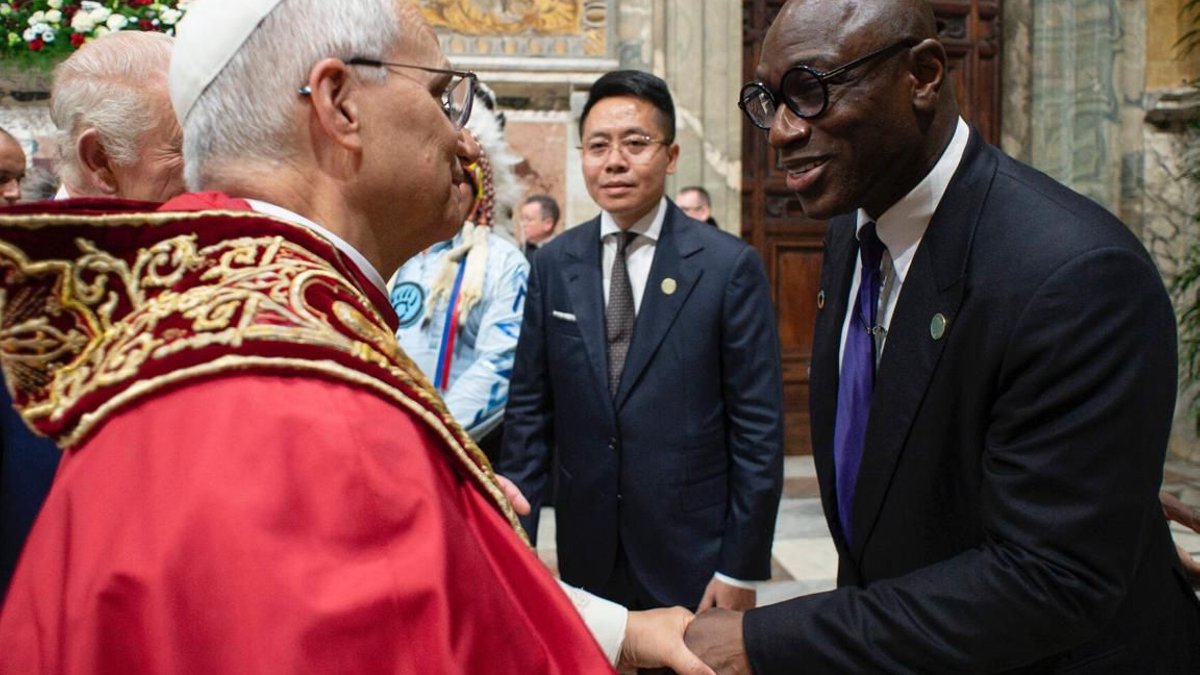
Pope Leo XIV’s recent tour of Africa highlights the continent’s growing importance in the global financial system. Africa Investor welcomed the visit, calling it a sign that the region is moving from the periphery of the world economy to its center. The papal tour shows how global shocks are making Africa essential to the $10 trillion global green industrial transition. The continent now plays a key role in energy, critical minerals, food, and digital systems, areas that are fundamental to sustaining modern economic stability and technological advancement.
Aligning Sovereign Goals with Capital
The shift requires a new way to move money. Institutional Investor-Public Partnerships (IIPPs) are emerging as the primary tool for this task. These partnerships align sovereign priorities with the $300 trillion global institutional allocation systems. By doing so, they turn development projects into investable assets. The architecture, launched for the World Bank Spring Meetings by Africa Investor, the Sustainable Markets Initiative, and the Institute of Sovereign Investors, uses rule-based platforms to let capital flow. This framework addresses the disconnect between public development goals and the rigid mandates of private institutional investors.
Read Also: Serbia Sets October 25 Election Date
Standardisation and pricing visibility now allow sovereign infrastructure assets to enter institutional markets as a distinct asset class. Dr. Hubert Danso, Chairman and CEO of Africa Investor, said the visit recognises a structural change. He noted that capital does not need to be mobilised; it simply needs to be enabled as allocable exposure. He also suggested that faith can affirm dignity while markets scale it, marking a transition from development as a narrative to development as institutional exposure. This perspective shows the potential for ethical frameworks to coexist with robust financial mechanisms.
This model mirrors previous financial reforms where opaque projects were replaced by transparent, tradeable assets. Just as bond markets required standardized debt instruments to grow, the current infrastructure gap demands clear frameworks to unlock trillions in private funds. Without this alignment, Africa’s critical role in the global supply chain risks remaining unrealised capital rather than deployed investment. The integration of faith-based values into market mechanisms suggests a holistic approach to addressing the continent’s developmental challenges.

Serbia Sets October 25 Election Date


