South Korean investors lose billions on risky stock bets
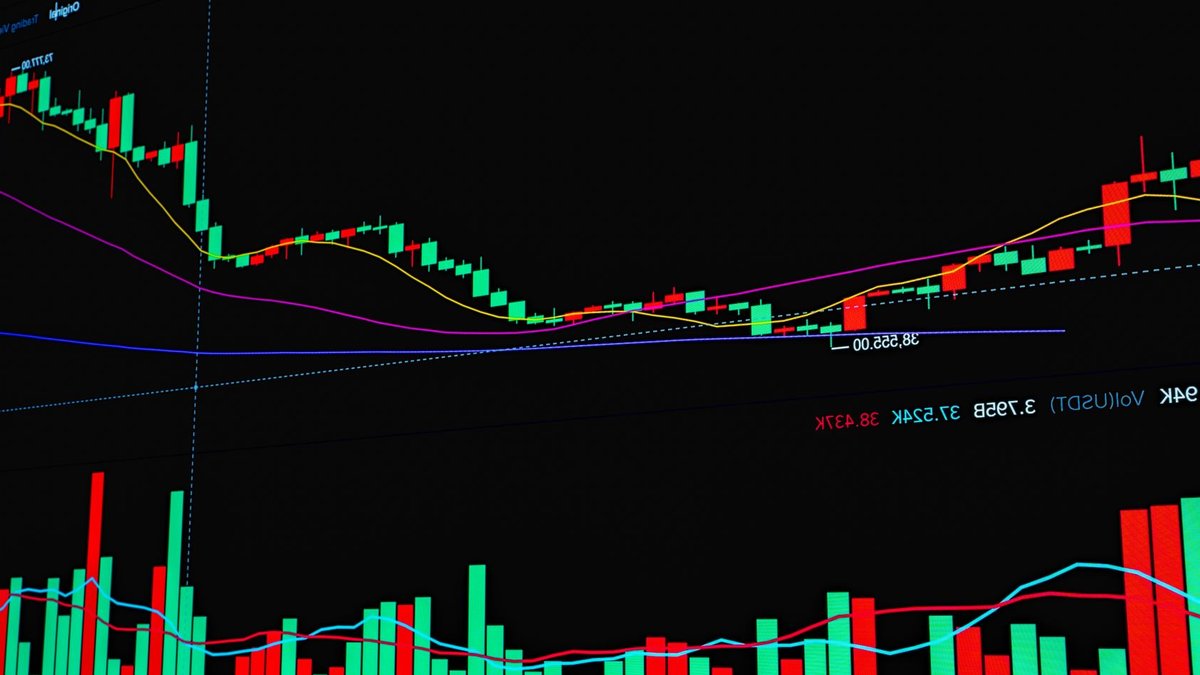
South Korean retail investors have suffered a total of 2.32 trillion won ($1.72 billion) in losses from trading single-stock leveraged and inverse exchange-traded products since their introduction at the end of May, according to new data. These losses, calculated from completed transactions, occurred over roughly two and a half months as the AI-driven semiconductor boom reversed, revealing the dangers of high-leverage bets on stocks such as Samsung Electronics and SK hynix.
The Financial Supervisory Service released the figures after Rep. Choi Eun-seok requested them, highlighting how market fluctuations and the amplified risks of leveraged products contributed to the losses. These financial instruments are structured to deliver twice the daily return of the underlying stock, meaning losses are also doubled when prices decline. The data includes transactions processed by ten major securities firms between May 27 and August 14. However, the total losses could be even higher when accounting for unrealized positions and trades executed through smaller firms.
One stark example is the KODEX SK hynix Single Stock Leverage product, managed by Samsung Asset Management. It reached a peak of 44,385 won on June 23 before plummeting to an intraday low of 6,000 won by July 29—a decline of 76% from its peak. As of October 6, the product’s value remained at 10,700 won, still significantly below its earlier high. Analysts at Citigroup Global Markets have warned that if current trends persist, cumulative retail losses in Korea’s leveraged ETF market could surpass 56 trillion won.
The rapid depletion of investor capital stems from how these products perform in choppy or highly volatile markets. When stock prices swing unpredictably, the leveraged structure compounds losses on a daily basis, accelerating the erosion of principal. This “negative compounding effect” has left many retail investors with balances far lower than their initial investments, even as broader market conditions have stabilized.
In light of these developments, financial regulators imposed new restrictions on July 16, halting the approval of additional single-stock leveraged and inverse products. Since late July, the minimum deposit requirement for trading these instruments has been raised to 30 million won, and mandatory investor education programs have been expanded to discourage speculative trading. Beginning in November, the minimum order size will increase to 20 shares, further increasing the barriers to entry for retail participants.

When a Small Screen Crack Becomes a Bigger Problem for Your Apple Watch


