ACE Robotics launches Kairos 3.1 AI at WAIC
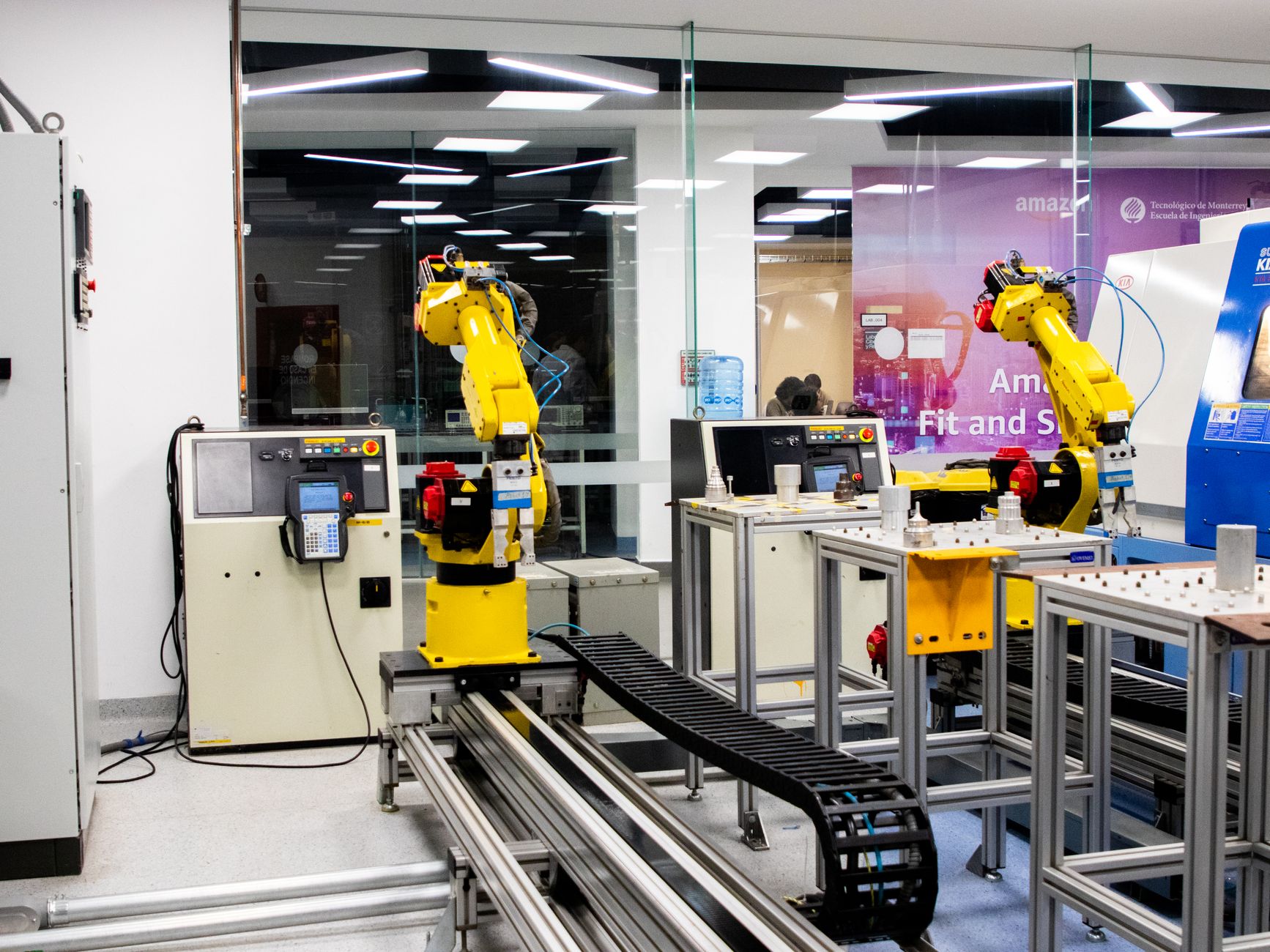
Shanghai-based ACE Robotics launched its latest embodied AI system, Kairos 3.1, at the 2026 World Artificial Intelligence Conference, presenting it as progress toward dependable real-world robotics.
From lab models to real-world execution
ACE Robotics introduced Kairos 3.1 alongside Ambient Capture Engine 2.0 and three commercial solutions for retail, hospitality, and outdoor service. The announcements were made during a forum convened around the theme of advancing physical AI from “understanding” to “execution.”
Wang Xiaogang, the company’s chairman, outlined the risks: “In the digital world, a model error may produce a flawed image or paragraph. In the physical world, an incorrect action can cause real harm.” Kairos 3.1 aims to close that gap by combining generative, physical, and cognitive intelligence in one system.
The architecture relies on a hybrid Transformer model with a shared mixed-attention mechanism, merging visual, language, tactile, and policy data. It operates through an “understand, reason, execute, and reflect” cycle, enabling robots to break tasks into steps, simulate outcomes, and adjust strategies mid-task. During a household laundry test, a robot mapped spatial relationships, divided the process into over a dozen steps, and resumed from the point of failure instead of restarting the entire sequence.
Related: GameChange Energy delivers massive solar tracker deal in Australia
ACE-BRAIN-0.5, the core spatial model, achieved top results across 12 public benchmarks as of July 2026, covering navigation, manipulation, and task-progress assessment. Kairos-HomeWorld, built on 300,000 residential floor plans and 8,700 3D assets, simulates action trajectories and ranks them by predicted success before execution.
Response times are fast—the 8B model processes tasks in 125 milliseconds on NVIDIA’s Jetson Thor platform. The in-house KairosRT engine supports real-time, on-device inference, while self-reflective iteration lets robots change tactics, such as switching from a three-finger to a four-finger grasp after a failed attempt.
Commercial deployments scaling up
ACE Robotics introduced three industry solutions built on its data and world-model infrastructure. Xiaoman, an instant-retail fulfillment system, works with the W1 robot, which has a robot-to-payload weight ratio under 2:1 and force-control precision within one newton. The machine moves through aisles as narrow as 75 centimeters and handles both rigid and flexible packaging.
The system combines hardware, world models, motion control, and order management, enabling deployment in days. It is already used by Sense MartGo, Kuaikeda, and PetroChina convenience stores, with plans to expand to 1,000 locations in the coming year and 10,000 within two years.
Related: Diamond Color Grades for Engagement rings
Xiaoxin targets hotel laundry operations, where the company estimates 80% of demand occurs at night. The system manages collection, loading, unloading, washing, sorting, and folding, with ironing expected in future updates. Xiaotu, designed for outdoor use, employs a “one brain, many bodies” architecture to deploy agentic AI across quadruped robots, supporting navigation, obstacle avoidance, and multi-robot coordination.
Tests have included cultural events like the Begonia Flower Festival in Tianjin. The company also announced partnerships with the Caohejing Development Zone, PetroChina, and cloud providers such as Baidu, Alibaba, and Huawei to build an open embodied AI ecosystem.
The forum launched PHYSICAL IQ, a benchmark for embodied physical intelligence, developed with the Shanghai Artificial Intelligence Association and over 20 universities and industry partners. Nobel laureate Thomas J. Sargent discussed current systems’ struggles with rare or unseen scenarios—an issue Kairos 3.1 is designed to resolve.
As these solutions expand, property values in industrial zones may shift to accommodate the growing demand for automated infrastructure.

Eastern Ho Chi Minh City Redefines Estate Value


