Namibia’s Central Bank Hosts Pre-Oil Production Symposium
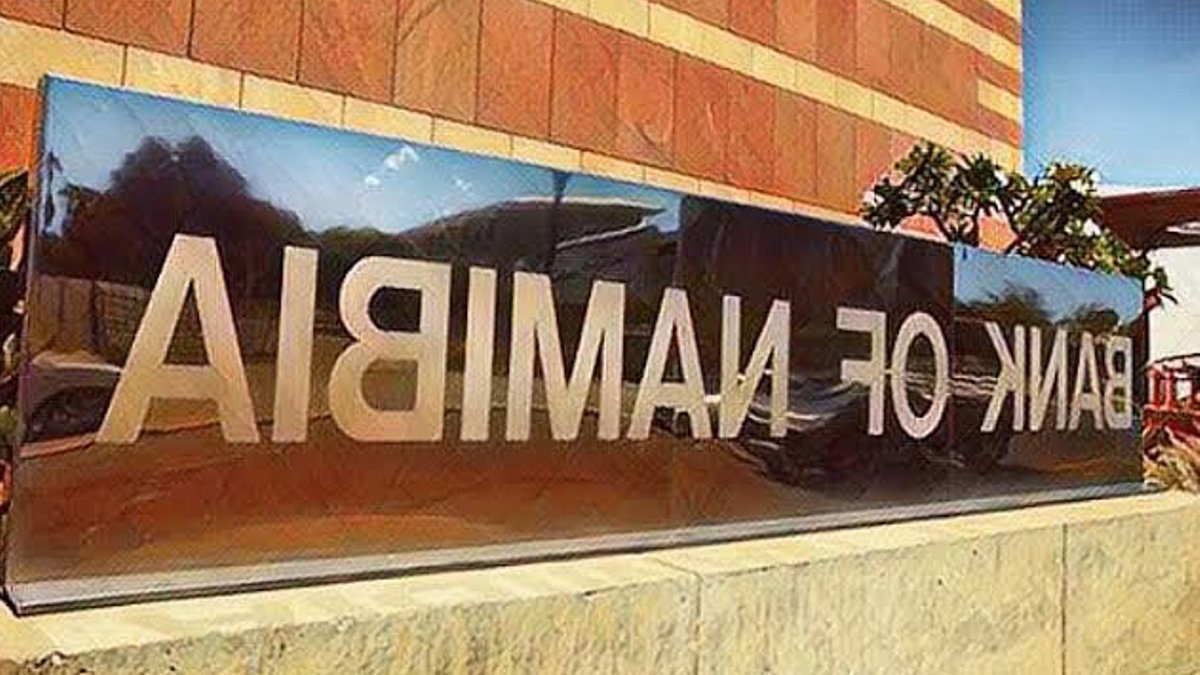
This week, the Bank of Namibia’s 2026 Annual Symposium took place, focusing on key decisions needed to derive lasting value from Namibia’s emerging petroleum industry. Under the theme “Namibia’s Pre-Oil Production Phase: Assessing Choices That Unlock Long-Term Economic Value”, the event gathered policymakers, regulators, business leaders, academics, and energy experts to assess the country’s preparedness for upcoming offshore commercial production.
Key Priorities for Pre-Production Development
Delegates deliberated on policy, regulatory, and institutional frameworks needed before first oil flows, targeting areas such as building local institutional capacity, establishing sustainable revenue management mechanisms, enforcing local content participation, advancing domestic skills development, and implementing rigorous environmental safeguards. Discussions also emphasized strategies to integrate petroleum revenues and supply chains into the broader macroeconomy to prevent resource distortion and maximize long-term domestic development.
The programme featured three technical presentations detailing comparative international models and national readiness, followed by an expert panel discussion focused on strengthening governance, regulatory architectures, and legal frameworks across the country’s oil and gas value chain. Governor Ebson Uanguta highlighted the pre-production period as an opportunity to strengthen foundations required to maximize petroleum resources’ long-term benefits. He outlined three priorities: building domestic capabilities, establishing strong institutions and effective regulatory frameworks, and deliberately building linkages between oil and gas and the wider economy.
Government Strategy and International Lessons
In her keynote address, Minister Modestus Amutse outlined the government’s priorities for converting petroleum discoveries into tangible national value. Amutse emphasized the need for fit-for-purpose legislation, capable institutions, a strong national petroleum company, and effective environmental protection. The Minister placed financing and revenue management within the pre-production agenda, calling for coordination among government, the Development Bank of Namibia, commercial banks, insurers, and operators to develop financing solutions based on credible contracts. Amutse stressed that petroleum revenues must be managed with discipline through mechanisms like the Welwitschia Fund, while investments in ports, power, water, logistics, and skills should support broader economic goals under NDP6.
The first technical presentation by Dr. Emma Haiyambo assessed Namibia’s institutional, regulatory, and economic readiness. The presentation showed oil and gas attracted approximately N$74.4 billion in foreign direct investment between 2021 and 2025, representing roughly 56% of total FDI inflows. Exploration activities accounted for an average of about 30 percent of Gross Fixed Capital Formation between 2022 and 2025. The assessment identified finalising legal and regulatory instruments, strengthening institutional mandates and capacity, advancing local content legislation, addressing specialised skills gaps and enhancing public communication as preparatory measures needed before production.
Read Also: Understanding the Operational Differences: Industrial Gear Pump vs. Progressive Cavity Pumps
In the second presentation, Prof. Jenik Radon of Columbia University shared international lessons on oil and gas resource management, emphasizing that strong institutions, laws, regulations, professional expertise, revenue management, environmental safeguards, and effective negotiation of petroleum agreements determine whether long-term prosperity or resource curse emerges. He advocated a deliberate “Turtle Theory of Development,” drawing on Norway’s experience with governance, transparency, legal frameworks, environmental regulation, and disciplined sovereign wealth management.
International Experience and Local Implementation
The third presentation, delivered by Mr. Alex Nyombi, Director of Development and Production at the Petroleum Authority of Uganda, shared practical insights from Uganda’s sector development. Nyombi stressed the importance of separating policy, licensing, regulatory, and commercial functions to ensure institutional independence and effective enforcement. He emphasized that national participation should begin before production, focusing on employment, skills development, and technology transfer. Uganda’s experience revealed that between 2017 and 2025, petroleum licensees awarded contracts valued at US$7.2 billion, with US$2.2 billion flowing to Ugandan entities. Over 14,000 individuals and more than 4,000 SMEs also received targeted training and capacity building through these initiatives.
The expert panel discussion reinforced these lessons, highlighting the need for institutions to assess readiness across legal frameworks, skills, and inter-agency coordination. Panelists, including representatives from industry and regulatory bodies, emphasized a detailed legal framework, transparent revenue management, and sustained public engagement. They advocated for ongoing capacity-building efforts to ensure Namibia can negotiate petroleum agreements effectively and manage sector risks responsibly.
Strategic Vision for Sustainable Development
In closing, Deputy Governor Nicholas Mukasa reiterated that Namibia’s pre-production phase must translate into deliberate action. He emphasized the importance of directing petroleum revenues toward productive infrastructure, human capital, and economic diversification under NDP6. Mukasa stressed the need for enforceable local content policies, sound tax administration, and proactive public communication to manage expectations. He also highlighted the Welwitschia Fund’s role in disciplined revenue management and the Bank’s enhanced macroeconomic forecasting to address potential financial sector risks.

Understanding the Operational Differences: Industrial Gear Pump vs. Progressive Cavity Pumps


