France’s economy shrinks 0.1% in third quarter
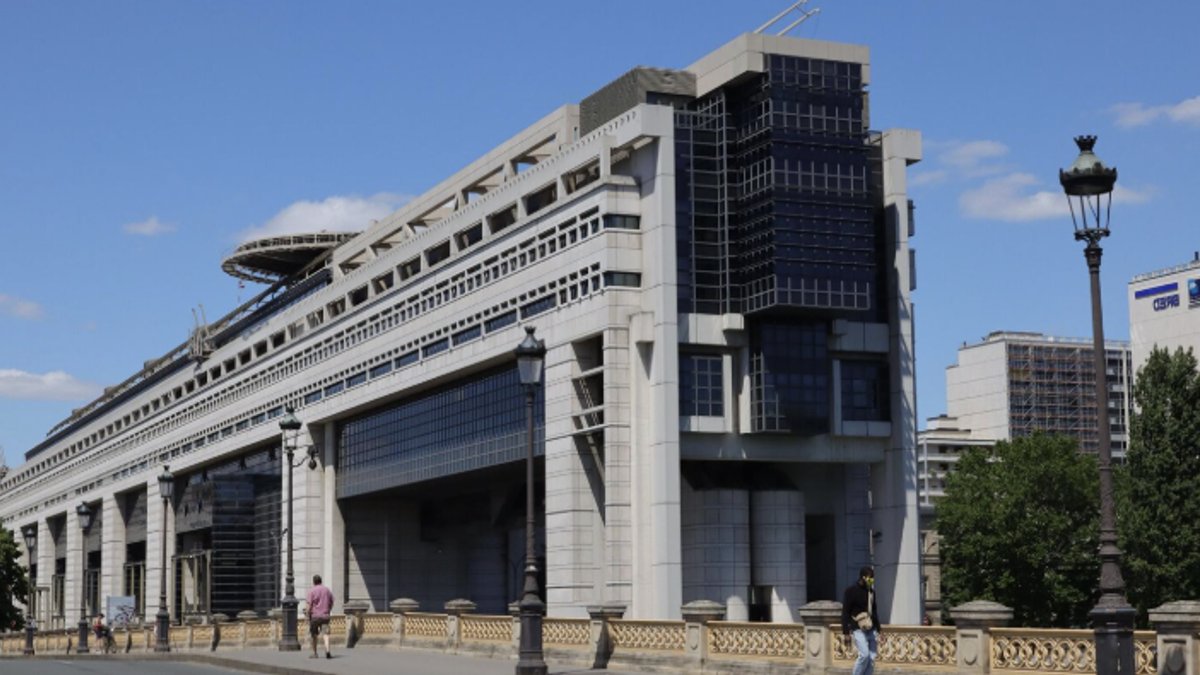
According to preliminary national accounts released by INSEE on October 30, France’s economy experienced a decline of 0.1% in the third quarter of 2026. This downturn followed a period of zero growth in the second quarter and a contraction of 0.2% in the first quarter, resulting in no quarterly expansion for the year. The statistics show the challenges facing France’s economic recovery, putting additional pressure on the country’s finances.
French GDP Fails to Meet Expectations
Economists had anticipated a 0.1% increase in GDP for the third quarter, based on a Reuters poll. However, the actual result showed a decrease in inflation-adjusted output between July and September, marking the second contraction in three quarters. INSEE reported a statistical growth carry-over of 0.2% for 2026, which represents the annual growth rate if GDP remains unchanged in the fourth quarter. It is essential to note that this figure does not constitute a forecast for the final outcome.
Given the data, France’s economic situation is more accurately characterized as stagnant rather than in a technical recession. The standard definition of a technical recession requires two consecutive quarterly contractions, but the second quarter saw no change. Nevertheless, the lack of growth over three quarters indicates a persistent weakness in the economy.
Household Spending Provides Some Support
The economic downturn was not uniform across all sectors. Household consumption increased by 0.4% during the third quarter, offering some support to economic activity despite the overall decline in output. According to INSEE, domestic demand excluding inventories contributed 0.1 percentage point to GDP growth, matching its contribution in the previous quarter. Although this positive contribution was modest, it was insufficient to prevent the economy from contracting.
These figures are significant because they differentiate between a broad collapse in spending and an economy struggling to generate momentum. Consumers continued to spend, but their contribution did not lead to stronger aggregate production.
Energy Prices and Heat Exacerbate Economic Pressures
Economy and Finance Minister Roland Lescure cited the extreme heat during the summer and raised energy prices as key factors contributing to the disappointing economic performance. These pressures complicated an already challenging economic environment, marked by political uncertainty and budget constraints. Lescure warned that failing to implement the planned budgetary turnaround would leave France “headed straight for a wall,” while emphasizing that the country was not currently entering a crisis.
In October, inflation accelerated to its highest level since late 2023, according to Reuters. The combination of weaker output and renewed price pressure creates a challenging backdrop, as households and businesses face rising costs without the reassurance of sustained economic expansion.


