Brazil Markets Plunge After Lula Wins Election
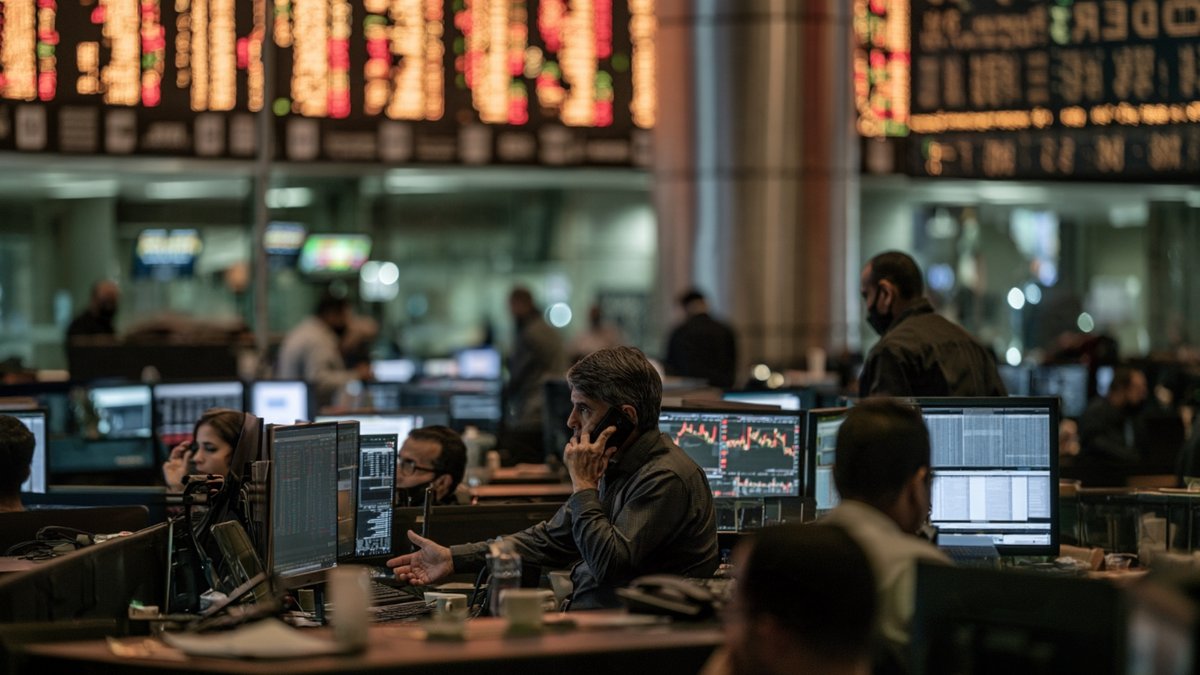
Brazil’s stock markets suffered steep losses Monday, October 26, as President Luiz Inácio Lula da Silva’s reelection defied predictions favoring his opponent, Flávio Bolsonaro. The Ibovespa benchmark index ended the day down roughly 14%, after intraday losses nearing 17%, while the Brazilian real weakened by about 8% against the dollar—following an earlier drop close to 12%.
This downturn marked a dramatic reversal of a bullish trend tied to election hopes. Traders had bet on Bolsonaro’s potential policies, including fiscal discipline and regulatory easing, which would have supported corporate growth. Lula’s return to office, however, prompted swift recalibrations of Brazil’s economic trajectory, particularly regarding debt levels, borrowing costs, and corporate valuations.
Trading Pause Signals Market Turmoil
The B3 stock exchange halted trading for 30 minutes after the Ibovespa plunged 10% from its prior close, a measure activated during extreme volatility, though it does not ensure stability upon resumption. This was the first such pause since the pandemic-related disruptions of 2020. While stocks later clawed back some losses, the final 14% drop showed the severity of the adjustment. The currency also showed partial recovery, though its closing depreciation remained below the intraday slump of roughly 12%.
Rising borrowing costs intensified the pressure. Interest-rate futures surged in tandem with the currency selloff, with some long-term swap rates jumping nearly 300 basis points after hitting trading caps. The shift signaled heightened demands for risk premiums amid fears over fiscal policy and inflation. A weaker real further complicates inflation control by raising import costs.
Additional uncertainty emerged as Bolsonaro contested the election results, forcing markets to separate short-term instability from the incoming administration’s long-term policy direction.
Corporate Funding Under Threat
The overarching concern now is whether Lula’s government can convince markets of its commitment to fiscal responsibility, debt management, and clear economic strategy. The market turmoil has already disrupted corporate financing plans, with Semafor reporting that around $6 billion in scheduled equity offerings were put on hold. The ability to rebuild investor trust will determine whether further volatility erupts in the days ahead.
Lula’s administration faces immediate challenges, as evidenced by the real’s sharp decline and the Ibovespa’s steep drop, both direct reactions to the election’s unexpected outcome. Moving forward, investors will scrutinize policy decisions, particularly on inflation control and fiscal restraint, to gauge whether stability can be restored.


