Polar Train LNG Executives Resign Over Russian Control Allegations
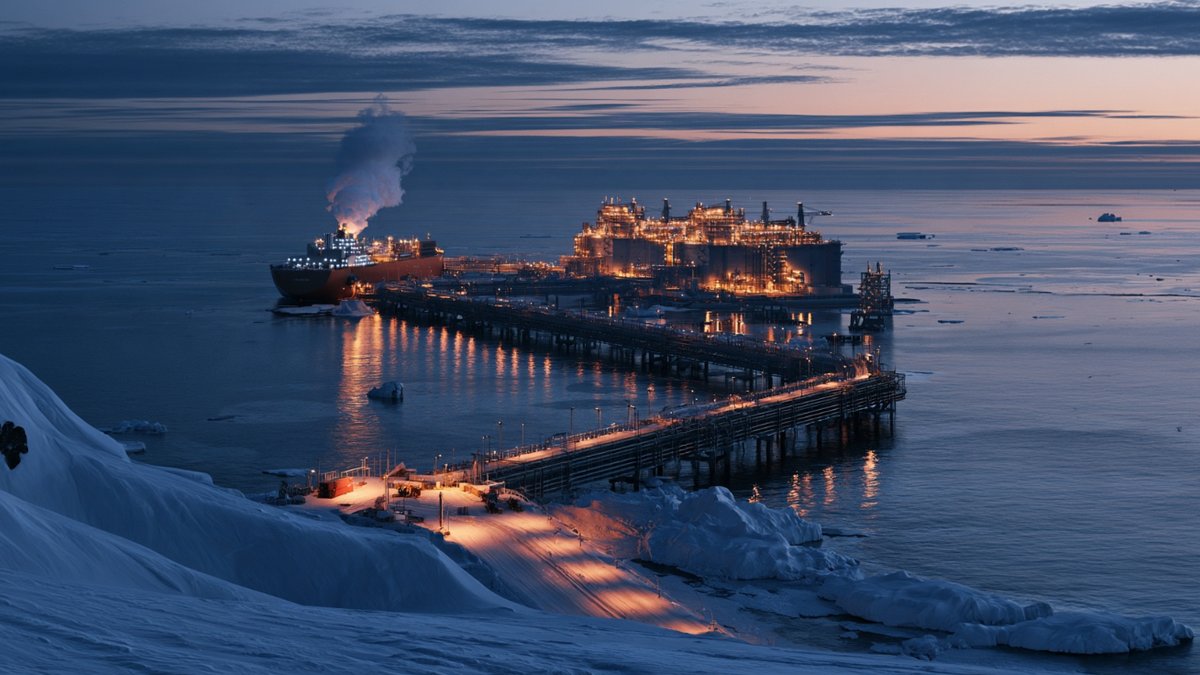
Executives at Polar Train LNG have resigned amid allegations that Russian energy firm Novatek secretly controlled a $25 billion Alaska gas project. The claims, reported by the Financial Times, center on whether the venture complied with U.S. sanctions before engaging with Russian entities.
Former CEO Joel Riddle accused Novatek of financing and directing the project without required approvals. Polar Train LNG dismissed Riddle as a “disgruntled employee” and denied wrongdoing, stating operations adhere to U.S. laws. The company called the accusations “contested” and noted no sanctions violations have been proven.
What Is the Polar Train LNG Project?
The venture aims to build a gas export terminal on Alaska’s North Slope, targeting Asian markets. Launched in March 2026, it proposed using a partially built Novatek terminal. The project aligns with efforts to expand U.S. energy exports and reportedly factored into U.S.-Russia talks about ending the Ukraine war.
Investor Gentry Beach, linked to Donald Trump’s family, helped launch the venture. Riddle claimed Beach later withdrew, holding no formal role. Tech Wave Industrial Projects Management, based in Abu Dhabi, was also initially cited as a financier.
Read Also: US evacuates diplomats from Saudi Arabia
Why Did the Executive Team Leave?
Riddle, a former ExxonMobil engineer, said he resigned in September after discovering Novatek’s involvement. He alleged the Russian firm provided capital and directed operations before securing U.S. approvals. Departures followed from CFO Dan Chandra, EVP Jim Smith, and executions manager Jody Trantham.
Polar Train LNG had sought U.S. Treasury permission to negotiate with Novatek but had not received it, according to the report. Novatek acknowledged a memorandum of understanding with Polar Train but denied linking its technology to sanctions relief for its Arctic LNG 2 project, sanctioned in 2023.
Investor Involvement and Project Challenges
Arctic LNG 2, sanctioned by the U.S. in 2023, aims to produce nearly 20 million tonnes annually but has faced challenges in becoming fully operational.
Regulatory Approval Becomes the Central Question
A White House official confirmed the project was mentioned briefly in discussions but denied detailed talks. The Treasury Department declined to comment on specifics but emphasized the seriousness of sanctions violations.


