Eastern Ho Chi Minh City Redefines Estate Value
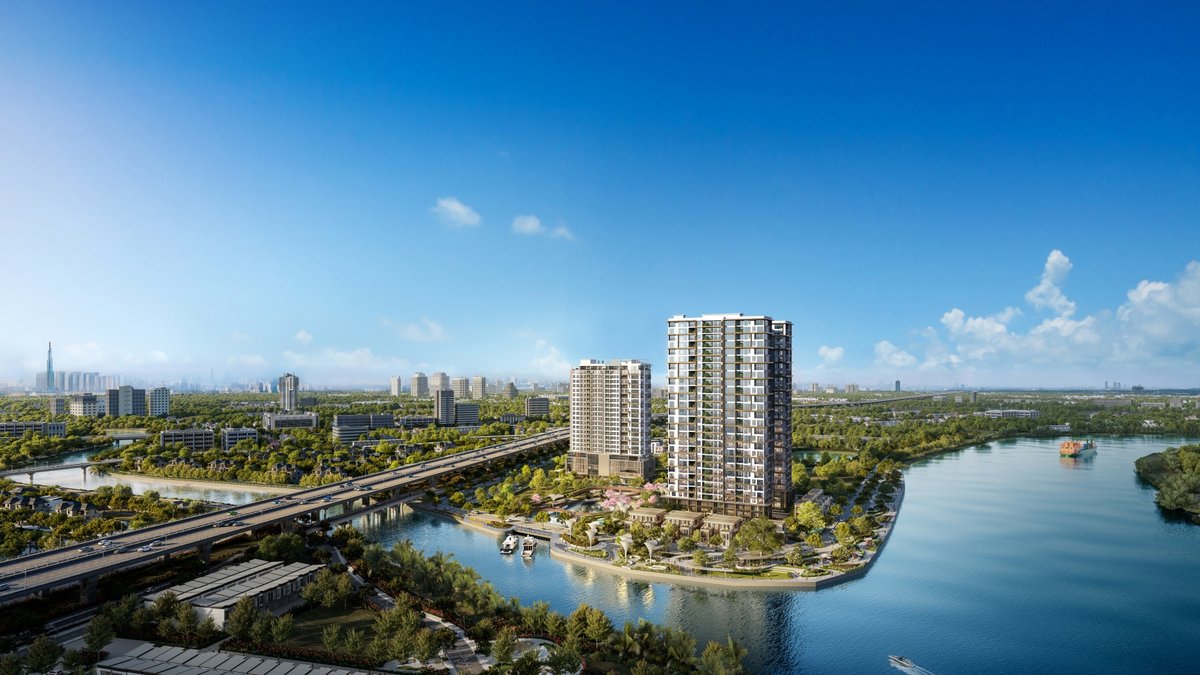
Eastern Ho Chi Minh City is emerging as a focal point for investors seeking projects that blend infrastructure upgrades with wellness‑focused design, a combination that is reshaping how property value is assessed in the region.
Infrastructure upgrades lay the groundwork
Key transport corridors are nearing completion, beginning with Nguyen Thi Dinh street, which will expand from roughly 7 metres to 30 metres to accommodate cargo traffic for Cat Lai Port, Vietnam’s largest container hub. The work is slated for finish in the third quarter of 2026.
Ring Road No. 3 is also seeing accelerated construction, while the Ho Chi Minh City‑Long Thanh‑Dau Giay Expressway remains a vital interregional link. An extension of Metro Line 1 is under review, and the Saigon Hi‑Tech Park plans to add nearly 200 hectares toward Long Phuoc Islet. Together, these projects are set to support a growing knowledge‑based economy and give younger residents the option to live farther from the city centre without sacrificing mobility.
Wellness real estate gains traction
The Global Wellness Institute reports the worldwide wellness market reached $584 billion in 2024, expanding at an average of 20 percent per year since 2019—four times the growth rate of the broader construction sector. Vietnam entered the top‑20 global wellness real‑estate markets in 2024, with a market size of $2.13 billion, a 43 percent rise over the prior year.
Vietnam’s push toward net‑zero emissions by 2050 has led to financing rules that tie credit ratings to environmental performance. Projects meeting green criteria can secure cheaper capital, encouraging developers to embed wellness features from the outset rather than as afterthoughts.
Related: Phu Tho targets future-focused investors
Vo Huynh Tuan Kiet, director of CBRE Vietnam’s Residential Division, says a wellness project should be judged on four factors: integration of green space into design, investment in therapeutic setting, overall ecological coverage, and a professional health‑management system. “A genuine wellness real‑estate project must treat health as a guiding criterion throughout every planning decision, rather than as a final add‑on,” he explains.
IKI Village exemplifies this approach. The development occupies an approximate 5‑hectare site on the extended Lo Lu street in Long Phuoc ward, near the Go Cong interchange that feeds Ring Road 3. It fronts both the Tac River and Trau Trau Creek, offering residents river views and direct water access.
From an investor’s perspective, the shift reflects a broader trend: capital is no longer cheap enough to sustain short‑term speculation, and buyers increasingly demand verifiable attributes rather than speculative upside.
Investors are watching closely.
In practice, this means property value is now measured by the total benefits owners receive over the asset’s life—reduced travel time, continuous access to nature, and durable shared amenities—rather than by the lowest launch price.
One way to understand this shift is to see it as a response to both demographic pressures and policy incentives. As the city expands eastward, the combination of improved transport links and wellness‑centric design offers a compelling narrative for sustained demand, especially among high‑income residents who value long‑term livability. This alignment of supply and demand helps explain why developers are willing to embed higher upfront costs in projects that promise enduring returns.
The development of IKI Village sets a new benchmark for real‑estate value in Eastern Ho Chi Minh City. By integrating infrastructure, setting and operational planning, the project aims to meet everyday living needs while preserving sustainable value for owners over many years.
Future outlook for the eastern district
After more than a decade of strategic planning, the eastern district is entering a new phase driven by mature transport networks, a growing knowledge‑based economy and a shift in end‑user expectations toward high‑income, long‑term residency. The city’s master plan also calls for 38 new industrial parks covering over 23 000 hectares by 2030, indicating continued emphasis on balanced growth.
As financing becomes increasingly tied to green standards, projects that can demonstrate full wellness integration are likely to attract both capital and buyers. This evolving paradigm suggests that future developments in Eastern Ho Chi Minh City will be judged not just on their immediate profitability but on their ability to deliver lasting, health‑focused value.

Vietnam consumer finance market seeks better quality


