Vietnamese women take charge of development
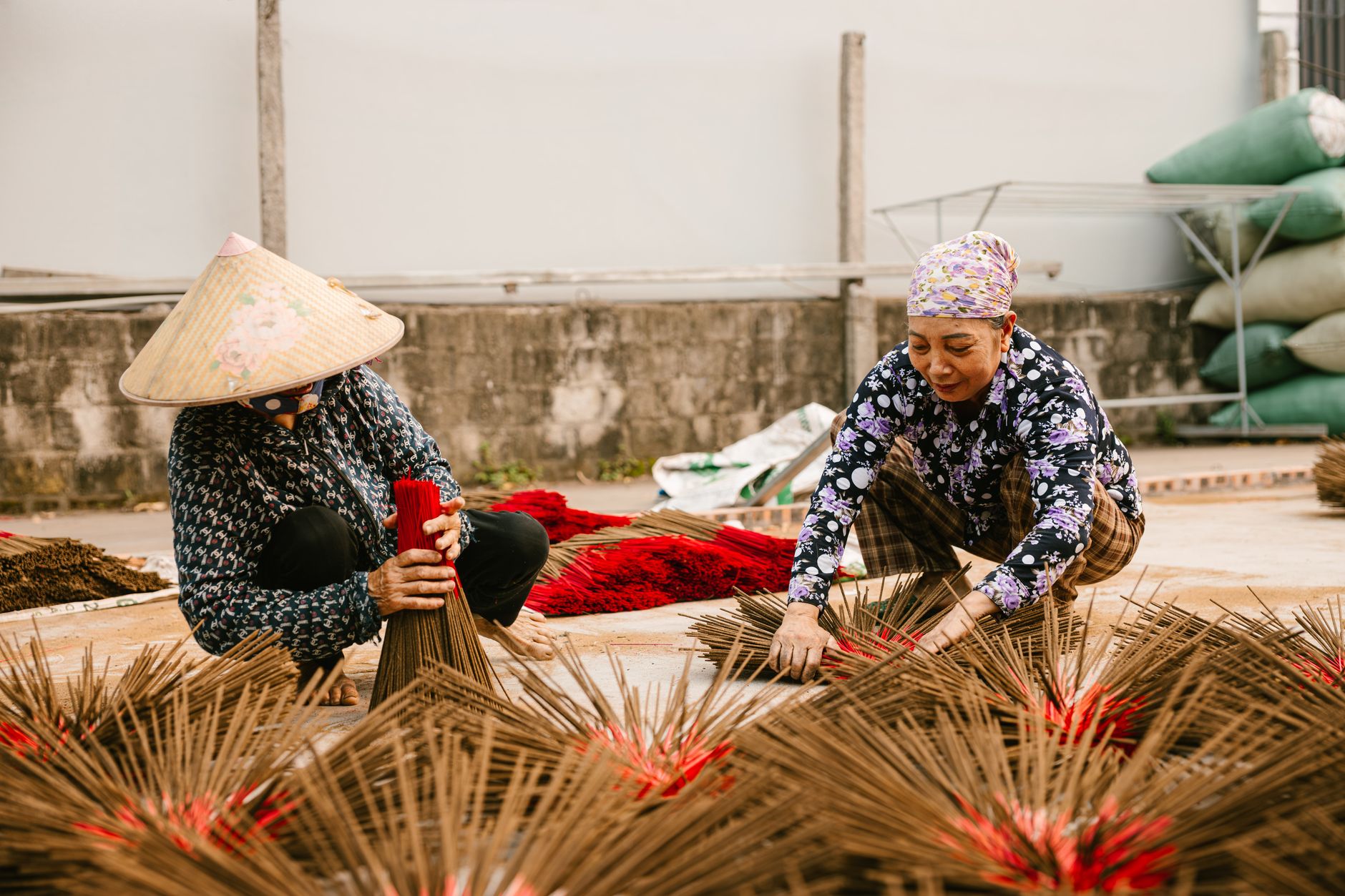
The 14th National Women’s Congress, held June 17-18, was deemed a milestone for progress.
Vietnamese women are increasingly stepping into leadership roles across the nation. Officials noted the event marked a significant advance for the country.
According to Tran Lan Phuong, permanent vice president of the Vietnam Women’s Union, the sixteenth National Assembly saw a female deputy proportion of 30%. That percentage exceeds the regional and global average.
In the economic sector, the proportion of female directors, business owners, and cooperatives reached 28.2 per cent. Many female entrepreneurs have built brands with a position in the international market, officials said.
Le Thi Thuy, chairwoman of the Vietnam Women’s Union, stated that in the current period, Vietnamese women must emerge as leaders of positive change within families, communities, and society.
She aims to mobilize society to advance gender equality and improve women’s quality of life by 2030. By that date, the Union plans to become a pioneering organization advancing equality and empowering women.
Related: SANY begins excavator production in Brazil
Gains in Economy and Agriculture
Nguyen Thi Nga, chairwoman of BRG Group, said unlocking women’s potential is a national imperative.
To build a competitive economy, Vietnam needs to effectively exploit all resources, among which women are increasingly playing an important role in leadership and innovation, Nga said. Vietnam currently has a female labour force participation rate of about 47 per cent.
Women can make significant contributions across three key areas, Nga noted. First, women are a core force in the green economy. International studies show that companies with women in leadership positions tend to place greater emphasis on governance, social responsibility, and long-term risk management.
Second, women are central to building future human capital. Investing in women is investing in national human resources, Nga argued.
Thach Thi Chal Thi, director of Tra Vinh Farm Company, understands the challenges of ethnic minority women. She started a coconut business in her homeland and linked with more than 150 farming households, creating stable jobs for about 300 local workers.
Thai Huong, founder and chairwoman of TH Group’s strategic council, said her enterprise is ready to support clean livelihood models for female members.
While these gains in leadership and agriculture are notable, the rapid pace of digital transformation creates new challenges. The requirement for advanced digital skills and management capabilities suggests a widening technical gap.
Related: Autonomous trucks start mining daytime operations
Defense, Diplomacy, and Financing
Women in the military continue to grow in many fields. Colonel Nguyen Thi Thu Hien, head of the Women’s Committee of the Army, said female soldiers have excellently completed tasks in scientific research, journalism, education and training, and United Nations peacekeeping operations.
Along with professional duties, women in the military have also actively implemented social welfare activities. The total value of gifts donated in the past five years reached more than $10 million.
Italian Ambassador Marco Della Seta noted that while the two countries maintain strong political and economic dialogue, there is currently no dedicated bilateral dialogue specifically focused on gender.
However, parliamentary diplomacy provides an effective framework for discussing and sharing experiences on issues related to gender equality. Education is another promising area; Italy and Vietnam share best practices through the Reggio Children approach, which is now used in many schools in Hanoi and Ho Chi Minh City.
Financing remains a hurdle for many. Shuyin Tang, co-founder and CEO of Symbol Fund, reflected on a financing shortfall for women-led and diverse small- and medium-sized enterprises in Vietnam at roughly $5–6 billion.
Despite having similar revenues, only around 37 per cent of women-led SMEs are able to secure bank loans, 10 percentage points lower than men-owned SMEs. Tang’s fund focuses on gender-balanced teams rather than businesses that are “women-owned” alone.

SANY begins excavator production in Brazil


